How Ottawa Drivers Can Perform Basic Pre-Tow Safety Checks on Their Vehicles

Winter roads in Ottawa can be unforgiving, and the last thing you want is a breakdown while towing a trailer, boat, or any load. Whether you’re heading out for a weekend adventure or relocating equipment, performing thorough pre-tow safety checks isn’t just smart driving practice, it’s essential for protecting yourself, your passengers, and other road users. When you understand what to inspect before hitching up, you significantly reduce the chances of requiring a Tow Truck Ottawa service in the middle of your journey. Canadian Towing professionals see countless preventable breakdowns each season, and most could have been avoided with basic vehicle preparation. Canadian Towing experts recommend that every Ottawa driver develop a systematic pre-tow inspection routine that becomes second nature before every trip.
The reality is that towing places extraordinary stress on your vehicle’s systems. Your engine works harder, your brakes face increased demands, and your tires carry more weight than during regular driving. By taking fifteen minutes to conduct proper safety checks, you’re investing in peace of mind and potentially saving yourself from costly repairs or dangerous roadside situations. Let’s walk through the essential inspections every Ottawa driver should master before towing anything.
Why Pre-Tow Safety Checks Matter
Think of your vehicle as an athlete preparing for competition. You wouldn’t expect peak performance without proper preparation, and the same applies to towing. When you add significant weight behind your vehicle, every component faces amplified stress. Your engine temperature rises, your transmission works overtime, and your suspension compresses under the load.
Canadian Towing responds to numerous calls each month from drivers who skipped basic checks and found themselves stranded. A small leak that wouldn’t matter during normal driving can become catastrophic when towing uphill. A tire that seems fine might fail under the additional load. These aren’t scare tactics—they’re real scenarios that unfold daily on Ottawa roads. Pre-tow inspections catch these vulnerabilities before they become emergencies.
Inspecting Your Tires Before Towing
#image_title
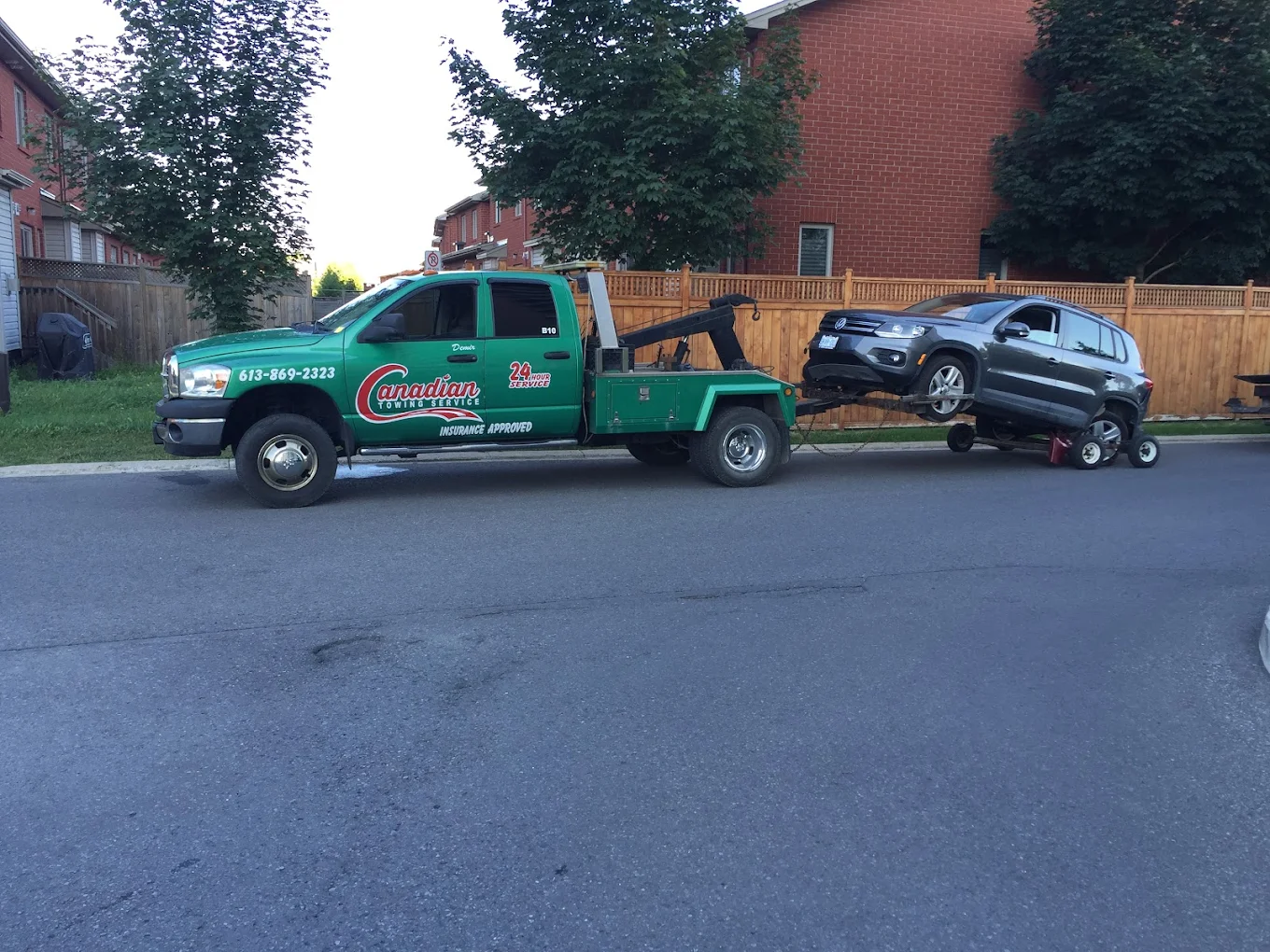
Your tires are literally where the rubber meets the road, and they’re your first line of defense when towing. Start by examining each tire’s overall condition. Look for bulges, cracks, or any irregular wear patterns that suggest alignment issues. These visual cues tell you volumes about tire health and whether they can handle additional stress.
Run your hand along the tread surface. Do you feel any high or low spots? This indicates uneven wear that could lead to blowouts under load. Check the sidewalls carefully for cuts or abrasions. Even minor damage can worsen dramatically when you’re pulling weight, especially on highway speeds where heat buildup becomes a factor.
Tire Pressure Requirements
Proper tire inflation becomes absolutely critical when towing. Under-inflated tires generate excessive heat, which is the primary cause of tire failure. Check your vehicle’s owner manual for the recommended PSI when carrying maximum load—this number is typically higher than your normal driving pressure.
Use a quality tire pressure gauge, not just your eyes. A tire can look properly inflated while being dangerously low. Check pressure when tires are cold, preferably before you’ve driven anywhere. The difference between proper and improper inflation might only be a few PSI, but that gap can mean the difference between a safe journey and calling for Emergency Tow Truck Ottawa assistance.
Tread Depth Assessment
Insert a quarter into your tire tread with the caribou facing down. If you can see the top of the caribou’s nose, your tread is below 4/32 inches and you need new tires before towing. While the legal minimum is lower, towing demands better traction, especially in Ottawa’s variable weather conditions.
Adequate tread depth ensures proper water evacuation and grip, particularly important when you need to brake quickly with a loaded trailer behind you. Worn tires exponentially increase your stopping distance, and that extra weight you’re towing makes the situation even more dangerous.
Examining Your Vehicle’s Lights and Signals
Communication with other drivers becomes crucial when you’re towing, and your lights are your primary communication tool. Walk around your vehicle and trailer with someone helping you, or use a reflective surface to check that all lights function properly. Test your brake lights, turn signals, running lights, and hazard flashers.
Don’t overlook your trailer lights. Even if your vehicle lights work perfectly, non-functioning trailer lights create a hazardous situation, especially during Ottawa’s early winter sunsets. Check that your electrical connection is clean and secure. Corrosion on connectors is common and can cause intermittent failures that leave you without brake lights at exactly the wrong moment. If you’re uncertain about your electrical system, Towing Services Ottawa professionals like Canadian Towing can perform quick diagnostics to ensure everything operates correctly.
Checking Fluid Levels and Engine Components
Pop your hood and let’s get systematic about fluid levels. Towing generates significantly more heat than normal driving, making proper fluid levels non-negotiable. Start with your engine oil—check both the level and condition. Oil should be between the minimum and maximum marks on your dipstick, and it should look relatively clean, not gritty or black.
Next, examine your coolant level in the overflow reservoir. Your cooling system works overtime when towing, and being even slightly low on coolant can lead to overheating. Check your power steering fluid if your vehicle has hydraulic steering—low levels can make handling a trailer much more difficult. Verify your windshield washer fluid is full; you’ll want clear visibility for the entire journey.
Engine Oil Condition
Pull out your dipstick and wipe it clean, then reinsert it fully and pull it out again for an accurate reading. The oil should appear amber to light brown. If it’s pitch black or has a burnt smell, you need an oil change before towing. Dirty oil can’t properly lubricate and cool your engine under the increased demands of towing.
Check for any milky appearance in your oil, which indicates coolant contamination—a serious issue requiring immediate attention. Similarly, check your coolant for any oily sheen, which suggests a head gasket problem. These cross-contamination issues might seem minor during normal driving but can cause complete engine failure when towing.
Assessing Your Brake System
Your brakes are arguably the most critical safety system when towing. The additional weight behind you multiplies the energy your brakes must dissipate to bring everything to a stop. Listen for any unusual sounds when you test your brakes squealing, grinding, or pulsing indicates problems that need addressing before you tow anything.
Check your brake fluid reservoir. The fluid should be clear or slightly amber, never dark or cloudy. If your brake pedal feels spongy or travels too far before engaging, you have air in the lines or worn brake components. These issues demand professional attention from services like Ottawa Towing Services partners who can inspect your entire brake system. Canadian Towing works with several quality brake specialists who understand the unique demands Ottawa drivers face.
Consider your brake pad thickness if you can visually inspect them through your wheel spokes. You should see at least a quarter inch of pad material. Anything less means you’re overdue for replacement. Remember that trailer brakes, if equipped, should also be tested. Many trailers have electric brakes that require a functioning controller in your vehicle.
Verifying Your Hitch and Towing Equipment
Your hitch and ball mount form the critical connection between your vehicle and whatever you’re towing. Inspect the ball mount for any cracks, especially around welds. A failed hitch is catastrophic and can send your trailer careening into traffic. Ensure your hitch pin and clip are properly installed and in good condition a worn clip can work loose from vibration.
Check that your safety chains are properly attached and crossed under the trailer tongue. These chains are your backup if the hitch fails, and they need to be in excellent condition with no damaged links. The chains should have enough slack to allow turning but not drag on the ground. When you’re preparing for 24 hour Towing Services situations, proper hitch setup prevents many emergency calls.
Examine your trailer coupler to ensure it’s the correct size for your ball and that the locking mechanism functions smoothly. A loose coupler can bounce off the ball during travel. Apply grease to your hitch ball if it appears dry this reduces wear and allows the coupler to pivot properly. Canadian Towing technicians regularly see hitch failures that could have been prevented with basic maintenance and inspection.
Final Walk-Around Inspection Checklist
Before you hit the road, do a complete walk-around with fresh eyes. Check that all cargo is properly secured and weight is distributed correctly. Tongue weight should be about ten to fifteen percent of your total trailer weight, placing appropriate downward pressure on your hitch without overloading your vehicle’s rear.
Verify that side mirrors provide a clear view past your trailer on both sides. If your regular mirrors don’t extend far enough, you need towing mirrors blind spots are especially dangerous when you can’t quickly change lanes. Check that your trailer is level when loaded; a nose-high trailer indicates too much weight in the rear and creates dangerous handling characteristics.
Do a final verification of all lights and signals one more time. Ensure your emergency kit is accessible and includes items specifically useful for towing situations: wheel chocks, a flashlight, basic tools, and contact information for reliable services like Canadian Towing. Double-check that your trailer registration and insurance documents are current and stored in your vehicle.
Conclusion
Performing thorough pre-tow safety checks isn’t about being paranoid it’s about being prepared and responsible. These inspections take minimal time but provide maximum protection for you and everyone sharing the road. By systematically checking your tires, lights, fluids, brakes, and towing equipment, you catch potential problems before they become roadside emergencies. Ottawa’s diverse driving conditions demand extra vigilance, and the few minutes you invest in safety checks pays dividends in peace of mind and reliable performance throughout your journey.
FAQs
Q1: How often should I check my tire pressure when towing long distances?
Check your tire pressure every time you stop for fuel or breaks. Temperature changes and continuous use can affect pressure levels, and maintaining proper inflation is critical for safe towing throughout your trip.
Q2: Can I tow in winter with all-season tires?
While possible, winter tires provide significantly better traction when towing in snowy or icy conditions. The extra weight you’re pulling requires maximum grip, which dedicated winter tires deliver far better than all-seasons in cold temperatures.
Q3: What’s the maximum speed I should drive when towing?
Most experts recommend staying 10-15 km/h below the posted speed limit when towing. Reduced speed gives you more reaction time, decreases stopping distance, and reduces stress on your vehicle’s components and tires.
Q4: How do I know if my vehicle’s cooling system can handle towing?
Monitor your temperature gauge closely during your first towing experiences, especially on hills. If it climbs into the warning zone, your cooling system may need service or upgrades like a transmission cooler before regular towing.
Q5: Should I use cruise control when towing a trailer?
Avoid cruise control when towing, especially on hills or in variable conditions. You need direct throttle control to manage speed and prevent trailer sway, which cruise control can’t accommodate as effectively as manual driving.

